
THE MUST-HAVE CONVERSATIONS WITH YOUR INSURANCE AGENT!
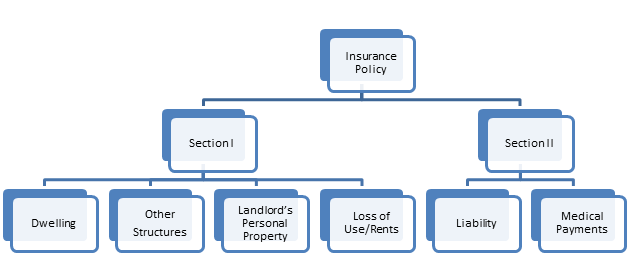
RENTAL PROPERTY INSURANCE –PROPETY COVERAGE |
|
| Proper Investment Valuation: | __________ |
| The Coverage Form – DP3- What’s Covered: | __________ |
| Loss Settlement Option for Home: | __________ |
| Deductible: | __________ |
| Water Backup of Sewer or Drains Coverage: | __________ |
| Earthquake: | __________ |
| Flood: | __________ |
| Building Code Upgrade Coverage (Ordinance and Law): | __________ |
OTHER STRUCTURES |
|
| Value of Other Structures (Garages, Fences, and other structures): | __________ |
LANDLORD FURNISHINGS |
|
| Value of landlord contents (Appliances, Furnishing) | __________ |
| Loss Settlement Option for Property | __________ |
LOSS OF USE/LOSS OF RENTAL INCOME COVERAGE |
__________ |
RENTAL PROPERTY INSURANCE-LIABILITY COVERAGE |
|
| Liability Insurance sufficient to cover your assets: | __________ |
| Premise Liability: | __________ |
| Personal Injury Coverage: | __________ |
| Medical Payments: | __________ |
| Umbrella: | __________ |
| Loss Assessment: | __________ |
ANNUAL PREMIUM |
__________ |
Why we use a Rental Property Insurance Checklist
Insurance can be mystifying. Many people have described it as a completely different language. Insurance is really just a complicated legal contract between you and the insurance company. The insurance company is bound to respond per the contractual terms, but because it is explained in legal terms it really is a different language, which is why many people fail to even put for the effort in understanding their insurance policy. While it is true that insurance policies are complicated, we at Gila Insurance believe there are some core things that every customer should understand, which is why we have created this checklist.
This checklist is designed to help you have the conversations with your insurance agent that will allow you to know what is covered BEFORE you have a claim. No checklist is fully comprehensive, these are things we believe are important that you understand, but please read your policy to ensure there are other questions that you have. The best time to understand your policy is BEFORE YOU HAVE A CLAIM.
If you are shopping for landlord insurance start your quote now, and let us quote several companies for you or check out some of our other landlord specific content.
Gila Insurance Group LLC specializes in insuring rental properties, Fix & Flips, Manufactured Homes, and Vacation Rentals, if this is what you do, give us a shot and get a quote today!
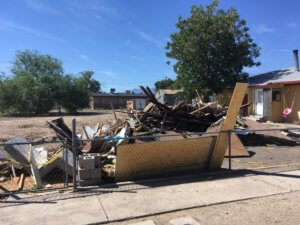
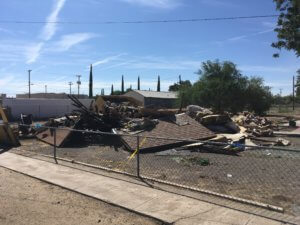 Some coverage is hard to explain, it’s much easier to just say see! That is exactly the case with debris removal. Debris removal isn’t difficult to explain, it’s just the cost to remove the pile of trash your insurance claim just left. If there is a fire, it’s going to be the ashes and rubble, but also the mess the fire department caused while putting it out. Let’s be real they are great a putting out fires, but they aren’t exactly tidy. If there is a flood, we might be looking at all the damaged drywall and installation. Some of it might be moldy or muddy. The point is there is a cost to haul it away. But there is also going to be a cost for the demolition, which can get pretty costly.
 Debris removal is usually included in most property insurance policies, but like most things with an insurance policy there are limits. Depending on where it is commercial insurance or a homeowner’s policy it can vary, but here are some things to consider when it comes to debris removal. How unique is your building? How old is your building? How much space is around your building. All of these and more can cause additional costs in removing debris from your property. Another consideration is building materials. Is there any asbestos in the building? The cost of asbestos disposal adds additional cost to debris removal.
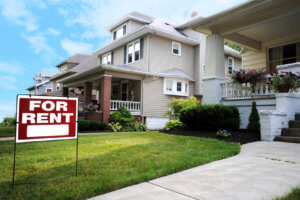 Do you require your tenants to carry renters insurance? If not, you should. Why? Because it matters. I have a cousin that is a defense lawyer for a large insurance company. He defends them for liability cases. He has seen ALL sorts of crazy situations, and has a way of telling the story. The other day, he was explaining a situation that caught my attention. Landlords rents to a family. Tenants have a dog that would “never bite anyone.” Dog bites a kid. Takes a chunk out of his calf. The landlord was smart, and required his tenants to carry renters insurance. The limits the renters had weren’t high, but the hospital bill was covered. Good for the landlord, right? Wrong. Landlord also gets sued. Why, because while the hospital bills were covered there was some pain and suffering that wasn’t. So, naturally it would be the landlord’s responsibility for having allowed such a vicious dog to be on the premise. The verdict in this case was still pending when I spoke with him. But the outcome is irrelevant. He was their defending the insured, which brings up 3 things we can learn.
 Understanding what’s not covered on your insurance policy lets you know what other insurance coverage you might need. Here are some of the BIG Exclusions.
 Insurance policies have their own dictionaries? Yes it’s called the definitions and there is a reason they define things, so there are no questions later.