Let’s talk straight about homeowners’ insurance. Whether you are a homeowner, a landlord, or the owner of a vacant dwelling (Flip), I want to pull back the curtain on how this industry works and share how I handle insurance in my own life.

Why do rates always go up?

One of the most common misconceptions is that if you don’t file a claim, your rates should stay the same. Unfortunately, that is rarely the case. At a minimum, insurance rates generally keep pace with inflation. With the Federal Reserve’s target inflation rate at 2%, you should expect your premiums to increase by at least that much every year in perpetuity—even in a “perfect” world.

However, rates also depend on how accurately carriers predict the frequency and severity of claims. According to the Insurance Information Institute, about 5.53% of homeowners (1 in 18) filed a claim in 2023, with an average cost of nearly $17,000. The most common culprits are wind, hail, water damage (like a burst pipe), and fire.

If 94.5% of people don’t file a claim, why do everyone’s rates jump? It’s because of how risk is pooled. Carriers place you in a “box” with similar risks.

  • Box A: Homes built in 2015 with tile roofs, stucco exteriors, and owners with high credit scores.
  • Box B: 1950s block homes with shingle roofs and original galvanized pipes.

If those galvanized pipes start leaking across the country, the carrier pays out more than expected. To cover those losses, the rate goes up for everyone in that box, not just the individual who filed the claim. Sharing in losses is the fundamental tenet of insurance.

Why the sudden spike in recent years?

When inflation surged in 2022, it caught carriers off guard. The gap between what they expected to pay and what they actually paid was massive. Some companies were losing 20–25 cents on every dollar.

Arizona was hit particularly hard. Between 2021 and 2024, the typical Arizona homeowner saw their rates increase by more than $700. This was driven by a “perfect storm” of inflation, increased wildfire risk, and missed projections. The good news? As inflation levels off, carriers can predict costs more accurately, and we are finally seeing rates stabilize.

What is the average rate in Arizona?

The answer depends on which “box” you fit into. Factors like the age of the home, your claims history, and your credit score (which carriers use as a predictor for future claims) all play a role. Because of these variables, two neighbors can have wildly different premiums.

Current estimates for a $300k home in Arizona vary by source: Bankrate: $2,331, MoneyGeek: $2,602, and NerdWallet: $2,110

Generally, vacant homes cost the most to insure, primary residences the least, and landlord policies fall somewhere in the middle. In my experience, if you have good credit in Phoenix or Tucson, you’re likely looking at $1,500–$1,800.

What do I do as an insurance agent?

I’ll be open with you: I live in a rural part of Arizona (not a high wildfire zone) and pay $1,600 for a $350k home. Here is my personal strategy:

  1. I shop around every few years.
  2. I manage my deductible. I currently keep mine at $2,500 to lower the premium.
  3. I mitigate my own losses. When our water heater leaked recently, I didn’t file a claim. We cleaned it, dried it out, and hired a local contractor for the $5,000 repair.
  4. The $10k Rule: I generally will not file a claim for less than $10,000. I always get a repair estimate before calling the insurance company to ensure the damage significantly exceeds my deductible.

Is it time to shop?

If you haven’t compared rates in a couple of years, now is the time. Carriers are becoming “cautiously aggressive,” meaning they are offering competitive rates for the specific risks they want to bring onto their books.

Gila Insurance Group is a broker. We represent five of the top ten homeowners’ insurance companies, and we’re here to help you find the right “box” at the right price. To get a quote, visit www.GilaInsurance.com/azreia. We can help you with insurance for your auto, home, and investment properties.
Gila Insurance Protecting Investors

Real estate investing in Arizona is a high-stakes game of strategy and grit. Our market is wild—at times soaring, and at others, faltering. AZREIA gives you the tools to understand the market and the strategy to pursue; Gila Insurance Group protects you as you navigate your investor journey. Whether you are scaling a portfolio of single-family rentals or navigating your first fix-and-flip, the quality of your team determines your success. At Gila Insurance Group, we don’t just provide policies; we are active investors who understand the “Investor Life.”

As a proud supporter of AZREIA, we have built our agency around three core pillars designed specifically for the Arizona investor: Protect, Save, and Serve.

Protect: Guarding Your Portfolio

In the world of real estate, you are a target for lawsuits and unforeseen disasters. Standard “one-size-fits-all” insurance often leaves gaps in liability and personal injury coverage that can sink a business. As an investor, you are a business owner, and you should think like one. How are you protecting your business? Too often, investors seek the cheapest rate possible only to be stuck with large, uncovered claims that derail business plans and profits.

Gila Insurance specializes in the niches that “big-box” carriers avoid or treat as secondary products: rental properties, short-term rentals (Airbnb/VRBO), manufactured homes, and vacant rehab projects. We have been attending AZREIA events since 2014; we have seen different investing strategies discussed, implemented, and succeed. Having protected all sorts of investment models, we are ready to help you on your journey.

Save: Maximizing Your Cash Flow

We know that every dollar spent on insurance is a dollar taken away from your ROI. As an independent broker, we don’t work for an insurance company—we work for you. We shop your coverage across different top-tier carriers to find the most competitive pricing in the market.

Our commitment to saving you money doesn’t end at the closing table. We utilize advanced technology to monitor your rates year-over-year. If your premium spikes at renewal, our system flags it, and our team will review to ensure that you have the best price available.

Serve: The Heart of an Educator

We believe the best risk management tool is education. Because we own rental properties ourselves, we’ve dealt with the “crazy tenants,” the evictions, and the repair headaches. Ask me about my fourplex in Tucson—it was a nightmare! But we have also had rental properties that worked out beautifully. We approach every AZREIA member with the heart of an educator, helping you understand exactly what you are buying so you can make informed decisions for your business. From our online quote tools to our local, responsive team in the Gila Valley, we prioritize your convenience and peace of mind.

Ready to see how much you can save? Visit GilaInsurance.com/AZREIA to start a quote or download our Rental Property Insurance Checklist to ensure your portfolio is truly protected.

Loss of Rent Coverage: Your Financial Lifesaver in Stormy Times

Attention real estate investors: imagine a peaceful morning interrupted by a call from your tenant. Instead of a simple question about mail or a running toilet, you learn that a burst pipe has transformed your rental into an unintentional indoor water park. Suddenly, you are wondering who to call, how to get it fixed, if your insurance is current, and who is going to cover the rent while the property is repaired.

That is where Loss of Rent Coverage steps in. It acts like a financial safety net, helping protect your rental income when your property becomes temporarily uninhabitable due to certain types of damage.

What Loss of Rent Coverage Really Is

Loss of Rent Coverage is designed to reimburse you for rental income you lose when a covered claim forces your tenants to move out during repairs. Think events such as:

  • Fire damage

  • Storm or wind damage

  • Burst pipes or other sudden water damage

While your property is being restored, your insurer can pay you the lost rent (up to your policy limits), so you can focus on repairs instead of worrying about cash flow.

What Loss of Rent Coverage Is Not

A common misconception is that Loss of Rent Coverage pays when a tenant simply stops paying rent or when you have a long vacancy. That is not what this coverage is for.

  • It does not cover non-paying tenants

  • It does not cover normal vacancy between renters

  • It only applies when there is a covered loss to the property that makes it unlivable

In most cases, the loss of rent is tied directly to a claim for physical damage: a tree through the roof, a fire, or a major water loss that requires your tenants to move out for repairs.

How It Works During a Claim

When a covered loss occurs and your property becomes uninhabitable:

  1. The tenants move out temporarily or the lease may need to be broken.

  2. Repairs begin, which can take weeks or even months.

  3. During that time, you are not receiving rent, even though your expenses continue.

Loss of Rent Coverage can replace that lost income (usually up to your documented rent amount), often requiring you to provide a copy of the lease. It will not pay more than what you were actually charging in rent, but it can keep your real estate business moving while your property is out of commission.

Why Not Just Use an Emergency Fund?

Emergency funds are important, but Loss of Rent Coverage is designed to prevent a temporary setback from becoming a serious financial hit. Instead of draining your savings to cover mortgage payments, taxes, and repairs while also losing income, this coverage helps stabilize your cash flow.

Insurance exists to protect you from catastrophic financial losses. Loss of Rent Coverage supports that goal by helping ensure your rental income continues, even when life throws you an unwelcome surprise.

How Much Coverage Should You Have?

When reviewing your policy, make sure Loss of Rent Coverage is included and that the limit is realistic. A good rule of thumb is to have at least enough coverage to match one year of rental income, since repairs can take longer than expected.

Loss of Rent Coverage is one of the unsung heroes of real estate investing. It helps keep your finances afloat when your property cannot. Life happens—pipes burst, storms hit, and accidents occur—but with the right coverage, your rental income does not have to sink with it.

Before You Switch Your Insurance

The insurance market in Arizona is chaotic right now, and rates are climbing across almost every company in the state. As a result, many investors feel real pressure on their already thin cash-flow margins and start looking for savings anywhere they can—often by switching insurance carriers.

As a broker, the goal is to find value for clients: the coverage they actually need at the lowest reasonable price. Value is not just about the premium; it is about protecting the investment while keeping costs in line. In the past, simply moving to a new company often worked, but today things are different—“Not so fast, my friend!”


Why Switching Is Riskier Now

In addition to higher rates, insurance companies are tightening their underwriting standards. That means:

  • More detailed questions and paperwork up front

  • Stricter eligibility guidelines

  • Limited coverage options

  • More inspections and tougher inspection standards

Even after a policy is issued and paid for, carriers usually have about 30 days to decide whether they will keep or cancel it. If an inspection uncovers problems, the company can cancel the policy. Once that happens, finding another carrier can become very difficult. That is why it is critical to understand a few key issues before switching.

Five Things To Check Before You Move

1. Plumbing and electrical

If the property has galvanized plumbing or a fuse-based electrical system, most companies will decline it. These older systems are highly associated with costly water and fire losses. Galvanized or polybutylene pipes can fail suddenly, and fuses often signal that the electrical system has not been updated in decades. Upgrading these systems before shopping your insurance can make a huge difference.

2. Peeling paint and dry rot

Peeling or flaking exterior paint seems minor but sends a strong signal to underwriters about overall property maintenance. Sun damage and moisture can lead to dry rot, split fascia boards, and other issues. Many carriers now treat visible exterior neglect as a red flag and will simply walk away. A basic exterior tune-up and fresh paint can help the property pass inspection.

3. Overgrown trees and landscaping

Large, overgrown trees and shrubs raise concerns about roof damage and general upkeep. In a monsoon storm, branches can easily damage roofs, walls, or power lines. Carriers often assume that if the landscaping is not maintained, the rest of the property may be neglected as well. Trimming trees and cleaning up landscaping before an inspection can prevent automatic rejections.

4. Yard clutter and debris

Piles of wood, old vehicles, tools, and miscellaneous debris scattered around the yard are another major red flag. Even if the owner would never allow that at their own home, tenants might. Yard clutter increases fire risk, liability exposures, and pest issues. Clear, written lease terms and regular property checks can help, but before switching carriers, make sure the exterior is clean and orderly.

5. Roof age and condition

Roof issues are becoming one of the biggest reasons for non-renewals and cancellations. Many carriers now require that shingle roofs be replaced within the last 15 years. Some will reject a property if the roof appears older than that; others may limit claim payouts based on age and condition. Missing shingles, curling or warped shingles, and “granular loss” (loss of the protective grit) are all concerns. Even if a roof is rated for 30 years, carriers may still insist on replacement sooner than owners expect.

When Switching Might Make Sense

Insurance brokers want to write policies and help clients save money—but not at the cost of leaving them uninsured after a cancellation. Moving to a new company only to be dropped shortly after helps no one.

Before switching, make sure:

  • Plumbing and electrical systems are updated and acceptable

  • Exterior paint and trim are in good condition

  • Trees and shrubs are trimmed and maintained

  • Clutter and debris are removed from the yard

  • The roof is in good condition and within carrier age guidelines

If those items are in order, shopping for a new company might be a smart move. If not, it may be wiser to address deferred maintenance first and consider switching only after the property is truly ready.


If you have a manufactured or mobile home you know finding insurance coverage can be tricky as a lot of traditional insurance companies are unwilling to cover them. Or if they are willing to, they will often limit the coverage you need. This has left a lot of customers in a bad spot. However, there are a number of companies that specialize in covering manufactured homes, and have an appetite for providing the specialty coverage that a manufactured home policy needs. For many years there have been 3 main players in the market: American Modern, American Reliable/Assurant, and Foremost. However, the market has changed dramatically and a number of smaller companies have popped up recently competing with these companies. Here are some of the carriers that we at Gila Insurance Group work with to offer the best coverage we can find for our clients. We have listed these in alphabetical order. The companies have many coverage options, so you will want to speak with one of our licensed professionals to ensure you get the coverage that fits your scenario. 

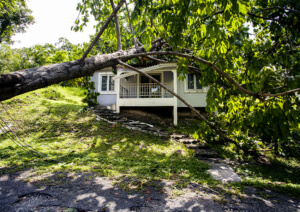
fallen tree on mobile homeAegis General Insurance

Aegis is a company that has been in the market for a LONG time, but were very regional in nature. However, their leadership team has come several of the larger Manufactured home insurance companies, and they recently completed the acquisition of American Reliable.

American Modern

American Modern has long been a leader in the Manufactured home insurance market with coverage that matters. They have competitive coverage and rates and are among the best options you can find for manufactured home insurance. American Modern is A+ Rated. 

CoverTree

CoverTree is a newer player in the market with the backing of one of the largest insurance companies in the market, Markel. Their coverage is awesome, as are their rates for newer manufactured homes. Markel is A Rated. 

Foremost 

Foremost is the market leader and has been for many years. They offer coverage options on older mobile homes that their competitors will not, and are hands down the best option for homes that are older than 1980. Their rates are competitive, which is why they have been the market leader for many, many years. Foremost is a part of the Farmers Insurance group of companies and is A Rated. 

Standard Casualty

Standard Casualty is owned by a titan of the manufactured home industry, Cavco Industries. They have been around since 1961, and only sell manufactured home insurance. They offer no other lines of business. Their coverage for manufactured homes is phenomenal and they offer some coverage that others do not. They are a great option for homes that are 1980 and newer. Standard Casualty Company has a Rating of B++ (Good) according to AM Best (as of 3/29/2023).

Tower Hill Insurance

Tower Hill has been around since 1972. They are based in Florida and is one of Florida’s largest residential property insurance companies. They have expanded into 16 additional states. They offer excellent coverage for newer Manufactured Homes and have very competitive rates. They are A Rated According to Demotech. 

The key to finding the best-manufactured home insurance company is to find a company that understands manufactured homes. What do you look for in a manufactured home carrier? While a lot of the coverage is standard there are a couple of things that will indicate that your carrier doesn’t like manufactured homes. 

  1. Do they have weird exclusions for additions like sun rooms or carports? 
  2. Do they offer replacement costs on your home? If not, will they offer replacement costs on partial losses? While even the manufactured home specialists will sometime limit this on older homes, non-manufactured home carriers will often exclude this coverage on new homes. 

If you need coverage for your manufactured home, be sure to speak to a specialist who will have access to different manufactured home companies. You can start the conversation with Gila Insurance Group, by completing our free online insurance quote form, and we will shop these carriers and provide you with the best option for you.

Call An Independent Insurance Agent in Safford, ArizonaWhen shopping for home or auto insurance, you have an abundance of choices. You can call the number on TV or shop with a local big-named brand, but then you only get one choice. Independent insurance agents offer insurance from many insurance companies, not one like most others you see on television. The benefits of shopping with a local agent are numerous. Not only will you get to compare pricing, but additional benefits include:

What’s Your Time Worth?

When you call an independent insurance agency, you’re presented with multiple insurance quotes at once from multiple companies. Independent agents will often make a recommendation for protection levels and companies that best fit your needs, but ultimately, the choice is yours.

Professional, unbiased consultations

As an independent agent, we offer clients unbiased advice. After all, we work for you, not a specific insurance company. So, when you get a quote or policy from us, we take care to ensure you’re matched with the carrier with the best options for your specific needs.

Who doesn’t love a discount?

Our agents are discount detectives. We can look at your situation and coverage request and match you with a company that offers you the most discounts along the way. Some of these include safe driver, claims free, home & auto bundles, teen drivers, paid in full, and more! There are so many discounts available.

Local Relationship

As a local agent, we appreciate our connection to the community and being able to speak to our local client base over the phone or in the office. Our agents work and live in your community, so we care about your care and coverage.

Adaptability

This might be the biggest benefit of all. Everyone throughout their lives will need to change their insurance coverage for a reason or another. Perhaps you got married, purchased a home, had a child, invested in a rental property or you want an umbrella policy to increase your coverage. When you work with an independent insurance agency, you don’t have to change agents. We can find you a new company with the coverage and pricing you want for your new lifestyle.

If you need an insurance policy for your auto, home, boat, RV, or even business, call us. We can help you find affordable coverage for your situation. Get a free insurance quote today.

Home Technology & Insurance Discounts Gila Insurance in Safford, ArizonaIf you’re a homeowner, then you’re aware that it can be complicated to make sure your home is protected. If you’ve ever worried about your home being secure and free from damage, then you should consider purchasing technology that could provide you with peace of mind. Not only do the right devices and sensors provide you with a level of security, but they also can have positive impacts on your homeowners insurance.

Taking advantage of technology

The IoT (Internet of Things) market is one that has seen exponential growth within the past couple of years. Within the network of connected devices comes multiple benefits, both for homeowners and insurers. Making sure that your home is protected should be a mutual goal and it’s one that is made easier when your house is equipped with the right technology.

Did you know that there are multiple different types of sensors available to protect your home and help monitor to avert damage? Finding the right sensors could prevent damage to your home, as you can fix the problem before it becomes an even bigger issue. Being able to prevent damage is one of the most valuable benefits that IoT devices and sensors provide, as both homeowners and insurers have a vested interest.

What sensors should you consider?

Which sensors are right for you depends on the level of protection that you want to implement in your home. Many people have devices to protect and alert if a burglary takes place, but there are many other options that you can add as well including smart devices and garage doors.

Water sensors can alert you if there is a leak in your water supply, potentially saving you thousands of dollars in water damage as well as identify a smaller leak before it becomes a big one.

Humidity sensors are similar and can alert you if your house’s integrity is at risk. Implementing smart devices is one of the best ways to take advantage of innovative technology, harnessing its power to protect your home and lower your insurance premiums.

Why purchase additional devices?

One of the biggest reasons why many choose to implement more devices into their home is because of the insurance benefits that they can have. Not only can more technology provide you with peace of mind and assurance, but it could potentially lower your premiums. Because problems can be identified and solved before they multiply, insurance companies also have something to gain when you install the right devices.

Technology also allows for insurance claims to be completed easily. Because technology can be relied on to gain an accurate picture of a home’s state, claims can be settled quicker than normal. Not needing to rely on human assessments streamlines the process and leads to less disputed claims.

Taking the next steps

If you’re ready to learn more about smart insurance and what it could mean for your home, let us know. We’re experts in the field and work with our customers to help them find the right insurance solutions for their individual situations. Make an appointment with us today to learn more about the many benefits of installing devices and sensors in your home.

Make Sure You Are Covered

As a landlord, it’s important that you hold a solid insurance policy for your property or properties. Since your property’s safety and repair relies on you rather than your tenants, it’s important to have plenty of information and a high-quality policy to ensure you are always covered in any situation. Learn about four key factors for landlord insurance today from the team at Gila Insurance Group LLC. Contact us to discover how we can help with all of your insurance needs!


Two young women moving into rental property

The four main factors of landlord insurance you should know include:

  • General liability insurance
  • Aspects that impact your policy
  • Extra coverages
  • What is not covered

General Liability

The first thing that is absolutely necessary as a landlord is general liability coverage. This type of insurance policy will protect you if a tenant or guest injures themselves on your property. Without it, you could be held responsible and could face costly legal battles and fees.

Aspects That Impact Your Policy

In an insurance policy, almost everything about your property will have an impact. However, some of the main factors that may affect the price of your policy will include:

  • Your property’s location
  • The size of the property
  • Pool
  • Wood fireplace
  • Proximity to a fire hydrant
  • And much more

To learn more about the factors that go into considering a policy, you can reach out to our team today.

Renter's keychain with house icon inserted into house lock

Extra Coverages To Consider

Each property will have a unique set of needs, which can be reflected in your landlord’s insurance policy. If you live in a high risk flood area, you may be required to have flood insurance. You also might want to have vandalism or burglary insurance options. And in some cases, building codes require certain types of permits or insurance.

What Isn’t Covered?

While many aspects of your property are covered in a landlord’s insurance policy, not everything is covered. Some of the things that are not covered include:

  • Tenants’ belongings (they should have renter’s insurance to cover this)
  • Maintenance
  • Equipment breakdowns (water heater, refrigerator, etc)

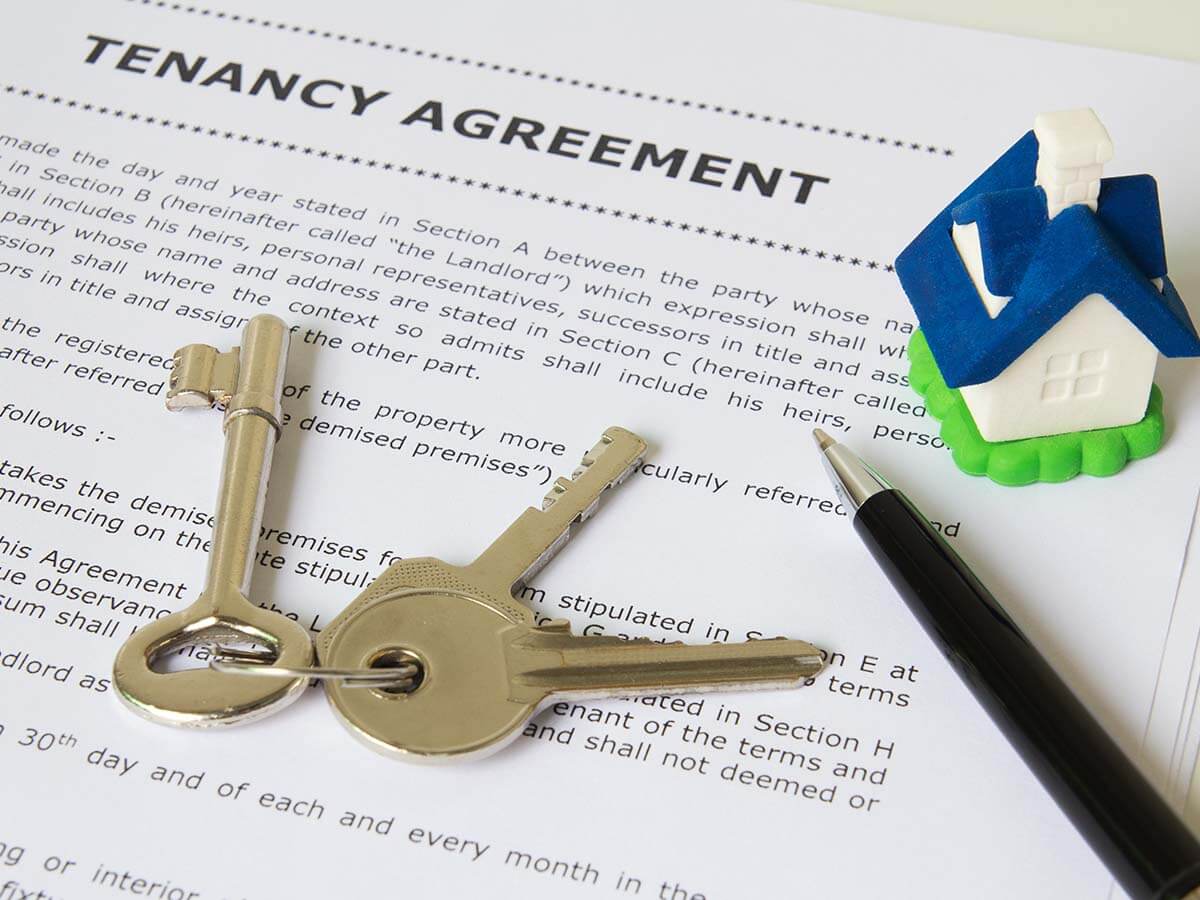
Renters agreement with house keys and pen

Get The Coverage You Need

Make sure you and your property are always fully covered with the help of landlord’s insurance from Gila Insurance Group LLC. Contact our team today to learn more about landlord’s insurance and to get started with your policy.