
Do you need to update your insurance policy?
 Ahh summer time. A time of fun, sun, and DIY projects around the house. The extra light in the evenings lends itself to getting stuff done. So, I have a question: What did you do this summer? Maybe you’re not a DIY sort of person. Maybe you had a contractor or handyman do it for you.
Did you add a shed? Did you add on to your home? Did you add a block fence or a pool? Heck did you buy a new car? Did you get Married? Did you get a new Girl Friend?
Now for the most important question: Did you tell your insurance agent?
What Why would I do that, dude’s a square (and clearly uses insults from the 1950’s… loser).
Because it can affect your insurance. Consider this lesser known insurance clause:
Your house has to be insured to at least 80% of its value or you can be penalized in the event of a claim.
Yes penalized. Well that wouldn’t happen to me. Did you tell your insurance agent about your addition? Because if not, you just change the ratio of the insurance coverage to the value of your house.
“Well, I just added a pool.” Will your insurance company cover you if you have a pool? Some don’t or have strict rules about fences.
Did you get married? You probably need to make sure your spouse has been added to the policy? You also need to combine your policies for savings purposes. Finally, do you need to cover that rock you just bought her? There may be coverage on a homeowner’s or renter’s policy, but there may not be depending on the value.
If your girlfriend just moved in with you did you know that she may not be covered if she drive’s your car? Or that coverage can be limited? (this can vary GREATLY by company).
See. Your insurance agent may be a goober, but you need to tell him or her stuff because if you have done something to your cars, home, or if you have just had some changes in life, talk to us about how that impacts your insurance needs. He/She can help you anser the question do you need to update your insurance policy.
 We all want to save money on things like insurance. It is rarely used, so we feel like we can and should cut corners on coverage options that we don’t think are necessary or that we don’t understand. Heck if I am honest I considered doing that this very week myself, BUT I didn’t, and the reason why is because there is real value in insurance. But we must remember insurance is for the catastrophic. It is designed to protect you and your assets from ruin. So, it’s for when you have a total loss and you are facing BIG losses that you don’t want to be skimping on things that can cost pennies a month. Enter the Value of an Independent Insurance Agent
 Homeowners insurance is all the same, right? So, I should always buy on price, right? Wrong. It’s true that most stick-built homeowner’s insurance policies have a similar base. It’s called an HO3 policy form. It covers your house and other structures for everything, unless its excluded. It covers your personal property for a list of specific things that could happen and pays their actual cash value, it has liability, and medical payments. That’s about everything you need right? Well, not really. While the base policy is very similar from company to company most customers have higher expectations of how their insurance policy will respond. So here are 5 things most customers should consider purchasing to ensure your policy responds like you think and expect it will.
 The insurance industry is weird or is it? Like any industry there are those that want to sell direct through exclusive distributors, those that wholesale through non-exclusive distributors, and those that sell direct online to the consumer. As an independent agent we work with companies that wholesale non-exclusively. Here we try to introduce you to the Insurance Companies We Represent and Why. We represent many different companies to try to ensure you get the best coverage at the best rate year after year.
 Somewhere along the way people started asking for “full coverage.” Usually this coverage refers to what an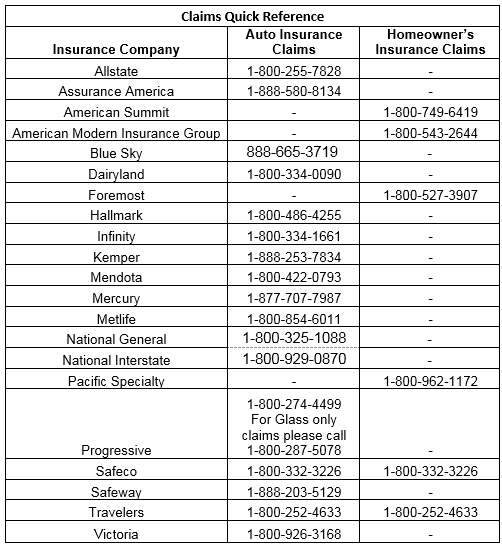
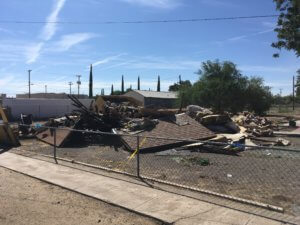 Some coverage is hard to explain, it’s much easier to just say see! That is exactly the case with debris removal. Debris removal isn’t difficult to explain, it’s just the cost to remove the pile of trash your insurance claim just left. If there is a fire, it’s going to be the ashes and rubble, but also the mess the fire department caused while putting it out. Let’s be real they are great a putting out fires, but they aren’t exactly tidy. If there is a flood, we might be looking at all the damaged drywall and installation. Some of it might be moldy or muddy. The point is there is a cost to haul it away. But there is also going to be a cost for the demolition, which can get pretty costly.
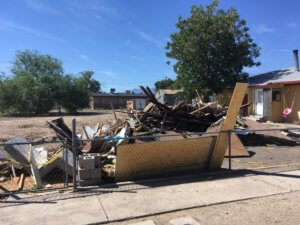 Debris removal is usually included in most property insurance policies, but like most things with an insurance policy there are limits. Depending on where it is commercial insurance or a homeowner’s policy it can vary, but here are some things to consider when it comes to debris removal. How unique is your building? How old is your building? How much space is around your building. All of these and more can cause additional costs in removing debris from your property. Another consideration is building materials. Is there any asbestos in the building? The cost of asbestos disposal adds additional cost to debris removal.
 Insurance companies can rightly be described as technological dinosaurs. I mean for years one company has been extolling the virtues of getting a quote in 15 minutes. On a side note did you know you can get a quote from multiple companies on GilaInsurance.com in just a few minutes as well? Again, dinosaurs. I mean my patience for 30 second in a microwave is almost nil. Don’t even get me started on when the internet decides to have a traffic jam (super highway. It’s supposed to be a super highway, that means no buffering, right?). Moreover, in our office we have often made the joke that we are in the tree killing business. Why because it seems that insurance companies feel the need to print reams and reams of paper of stuff that you will likely never read (Gila Insurance Group LLC does not endorse this practice and highly encourages you to read your policy the writer was unwittingly feeling that pragmatism was witty). My favorite is the part of the insurance policy that states this page is left intentionally blank… why?