Before You Switch Your Insurance

The insurance market in Arizona is chaotic right now, and rates are climbing across almost every company in the state. As a result, many investors feel real pressure on their already thin cash-flow margins and start looking for savings anywhere they can—often by switching insurance carriers.

As a broker, the goal is to find value for clients: the coverage they actually need at the lowest reasonable price. Value is not just about the premium; it is about protecting the investment while keeping costs in line. In the past, simply moving to a new company often worked, but today things are different—“Not so fast, my friend!”
 

Why Switching Is Riskier Now

In addition to higher rates, insurance companies are tightening their underwriting standards. That means:

  • More detailed questions and paperwork up front

  • Stricter eligibility guidelines

  • Limited coverage options

  • More inspections and tougher inspection standards

Even after a policy is issued and paid for, carriers usually have about 30 days to decide whether they will keep or cancel it. If an inspection uncovers problems, the company can cancel the policy. Once that happens, finding another carrier can become very difficult. That is why it is critical to understand a few key issues before switching.

Five Things To Check Before You Move

1. Plumbing and electrical

If the property has galvanized plumbing or a fuse-based electrical system, most companies will decline it. These older systems are highly associated with costly water and fire losses. Galvanized or polybutylene pipes can fail suddenly, and fuses often signal that the electrical system has not been updated in decades. Upgrading these systems before shopping your insurance can make a huge difference.

2. Peeling paint and dry rot

Peeling or flaking exterior paint seems minor but sends a strong signal to underwriters about overall property maintenance. Sun damage and moisture can lead to dry rot, split fascia boards, and other issues. Many carriers now treat visible exterior neglect as a red flag and will simply walk away. A basic exterior tune-up and fresh paint can help the property pass inspection.

3. Overgrown trees and landscaping

Large, overgrown trees and shrubs raise concerns about roof damage and general upkeep. In a monsoon storm, branches can easily damage roofs, walls, or power lines. Carriers often assume that if the landscaping is not maintained, the rest of the property may be neglected as well. Trimming trees and cleaning up landscaping before an inspection can prevent automatic rejections.

4. Yard clutter and debris

Piles of wood, old vehicles, tools, and miscellaneous debris scattered around the yard are another major red flag. Even if the owner would never allow that at their own home, tenants might. Yard clutter increases fire risk, liability exposures, and pest issues. Clear, written lease terms and regular property checks can help, but before switching carriers, make sure the exterior is clean and orderly.

5. Roof age and condition

Roof issues are becoming one of the biggest reasons for non-renewals and cancellations. Many carriers now require that shingle roofs be replaced within the last 15 years. Some will reject a property if the roof appears older than that; others may limit claim payouts based on age and condition. Missing shingles, curling or warped shingles, and “granular loss” (loss of the protective grit) are all concerns. Even if a roof is rated for 30 years, carriers may still insist on replacement sooner than owners expect.

When Switching Might Make Sense

Insurance brokers want to write policies and help clients save money—but not at the cost of leaving them uninsured after a cancellation. Moving to a new company only to be dropped shortly after helps no one.

Before switching, make sure:

  • Plumbing and electrical systems are updated and acceptable

  • Exterior paint and trim are in good condition

  • Trees and shrubs are trimmed and maintained

  • Clutter and debris are removed from the yard

  • The roof is in good condition and within carrier age guidelines

If those items are in order, shopping for a new company might be a smart move. If not, it may be wiser to address deferred maintenance first and consider switching only after the property is truly ready.

Understanding Recent Insurance Rate Increases

These last couple of years have been CRAZY. From the famous spike in egg prices to the cost of used cars, or even the cost of a HAPPY meal it seems that we are all taking it on the chin. Over the last several months, a new player has gotten into the mix, and we are seeing insurance rates spike for both home and auto insurance. 

WHY?

In short, the cost to insurance companies has spiked. Like what? Over the last couple of years, insurance companies have been hammered by the high prices of cars, car parts, and labor costs. On the homeowner’s insurance side, it’s no different. The cost of construction materials and labor has spiked. The net effect is that insurance companies have paid more and are passing the costs through higher rates to the consumers. While that might seem unfair, most insurance companies have lost billions of dollars, and simply can’t afford the losses and stay financially strong enough to keep their promise to their customers to pay claims. 

This is affecting EVERYONE!

This is not just happening to you, it is happening to EVERYONE nationwide. Here are a couple of things that being said in the news:

Insurance Rates Are Up, what can we do?

Fox News: Auto insurance premiums are skyrocketing. What’s to blame?

Arizona’s Family: Arizona homeowner’s insurance rates skyrocketing, some hit with 50%-100% increase

The Problem

Traditionally, as an independent insurance agency when rates went crazy with one company, we would move to the next company, and everyone was happy. Unfortunately, that is no longer a viable strategy as carriers have put up roadblocks like higher down payments, stringent property inspections, and crazy underwriting rules (seriously we have one carrier that won’t accept you if you have a shingle roof older than 10 years old). 

So what’s the Solution?

  • Sometimes we still can shop and find better rates, but over the last year, we have learned that is not a silver bullet. So we reserve that for the egregious increases. On average in the state of Arizona, we are seeing somewhere between a 25-40% increase in the rate.
  • One thing you can look at the deductibles. A higher deductible means a lower rate. How much will you save? It will vary, but sometimes it can make sense.
  • Bundling – Many of our clients don’t realize everything we offer. We offer Auto, Home, Motorcycle, Umbrella, Rental Properties, boats, and business insurance. if it makes sense to bundle we can help. 
  • Discuss coverage. We buy insurance to make sure we are covered. But do you need full coverage on the 2012 vehicle? Maybe, it can depend on your financial situation. You will rarely find an agent that will recommend lower coverage, for a variety of reasons. But, one thing I know is that when customers have shopped and found cheaper coverage it’s usually a function of less coverage, higher deductibles, and they have NO IDEA. There can be ways to save, and we at Gila are dedicated to helping you find these, but the key is to understand what you are removing and make sure you can live with the consequences. 

We are here to help. We at Gila Insurance are dedicated to being direct so that we can help our clients make the best decisions for them. If you are frustrated, let us know. If we can’t find something better we will tell you. If you find a quote elsewhere that is cheaper we want to review it so that you know what you’re getting. in short, let us help you navigate through this insurance hurricane, and help you find solutions for your budget.

What Makes for an Awesome Insurance Day?

Every job has its awesome days. If you are in sales it’s the day you close that big deal. As a teacher, it’s the day you finally reach that kid. As a lawyer, it’s winning the big case. But what about insurance? What makes for a good day for an insurance agent? It has got to be the most boring job in the world, right? 

For most people insurance is something you MAYBE think about a couple of times a year. When you pay for it, if and when you have to change something, like when you have to add a car, and at renewal. Maybe it’s something you have to track down as a part of a home loan refinance. Or maybe you actually have to if you have a claim. 

But there are 3 scenarios that make for awesome insurance days here at Gila Insurance Group.

A New Client

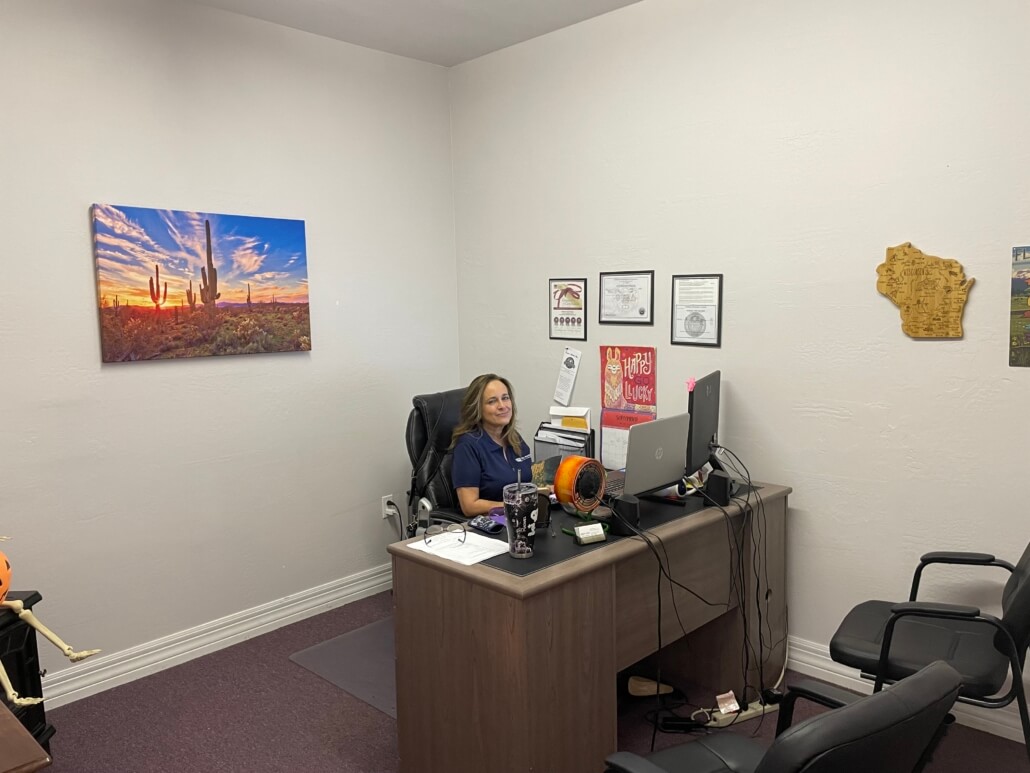
Rachael (our sales team leader) finds you better coverage at a lower rate than what you were paying. That’s right, lower rate; better coverage! We represent multiple companies to ensure you get excellent coverage at an affordable rate every day, so it’s actually rare that we are unable to add value and/or lower cost.


This is not a unicorn scenario and happens every day. 

Our existing clients

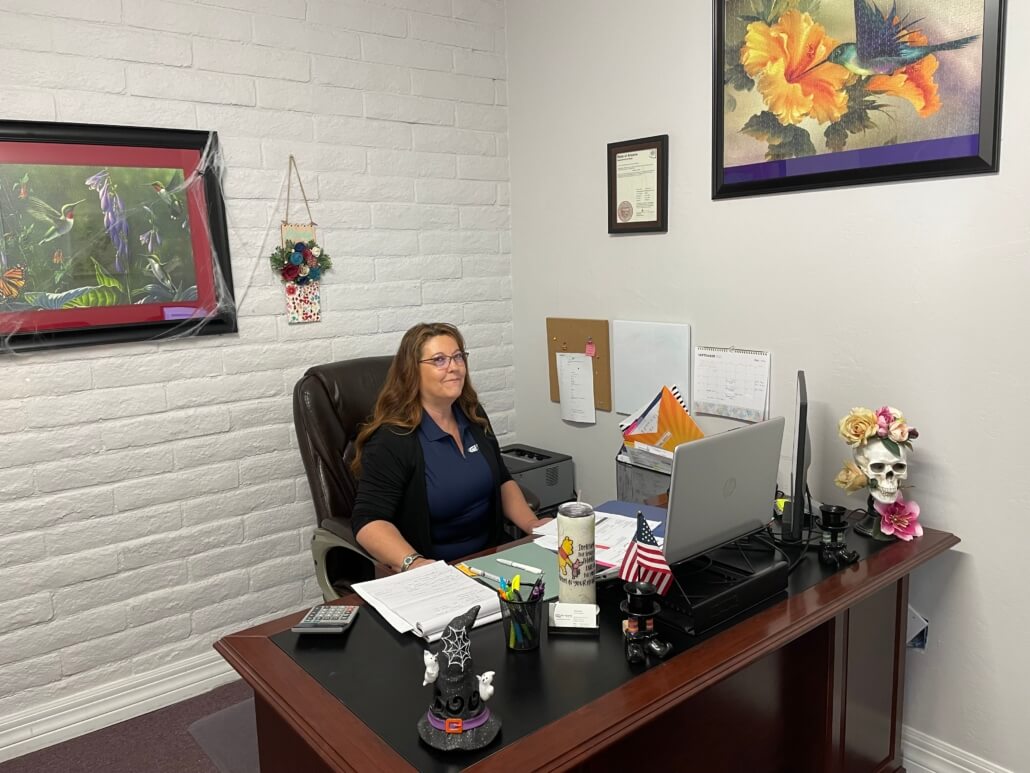
Cindy (our renewal team leader) finds that your rates have increased, finds better rates than what you have with your current coverage, AND calls you before you even are told by your insurance carrier. Wait, what? Yes! Unlike many of our competitors who only have one company or product they can sell, we at Gila Insurance represent multiple highly rated carriers. So if one of our carrier partners decides to change their rates we can shop your rates without you having to make a bunch of phone calls, fill out a bunch of online forms, and track down a bunch of info you don’t generally have at the tip of your fingers. 

Another scenario that happens every day. 

Quickly Handled Claims

A client suffers a devastating loss, and while claims will always be inconvenient, we see the claims process go through and they are made whole i.e. cars get replaced, roofs get fixed, homes get rebuilt, and lives are put back together. THANKFULLY this isn’t one that happens every day, but one that is the reason we buy insurance and the reason that we at Gila Insurance do what we do. We love to be able to watch the check get cut for clients that have suffered a loss.

Maybe having 3 scenarios is cheating, but what we love to do at Gila Insurance is help people find solutions to their insurance needs at a price they can afford. So give us a chance and see if you can have an awesome insurance day!

Why Do We Actually Buy Insurance?

I hear it a lot from people: INSURANCE IS A SCAM! they say. While I can understand the sentiment if you haven’t had a claim in a while it might feel like your insurance costs go up and up and up even if you haven’t had a claim. So let me share some numbers. 

  1. $107,012
  2. $83,467
  3. $57,543

What are those? Those are claims settlements that I have seen paid out in the last year for our clients. What do they have in common? If our clients hadn’t had insurance they would have been financially devastated. So insurance is not just about rates going up. It’s about making sure you have the coverage you need to help you when you have something disastrous happen in your life. 


How Much Insurance Do We Need?

So how much insurance do you need? At Gila Insurance we believe a pragmatic approach is best. Buy as much insurance as you can afford. For young newlyweds and students that might not be a lot, but as you gain assets and get set in a career it becomes more important to increase your limits. 

For buildings (homes or commercial buildings) it’s important to purchase an amount that will allow you to rebuild the home you have. This might be different than what you can sell it for, or even what you bought it for. 

Cars will be insured at their actual cash value. Usually as determined by something like Kelly Blue Book. 

Determining how much Liability coverage you need can be a little more tricky because it is hard to know how much is enough? Liability covers you for the bodily injury or property damage you do to others. For example, it covers you if you cause an auto accident, or if you get sued. As a general rule, you’ll want enough liability insurance to cover your net worth. That is all your assets (cash, home equity, cars, other investments) minus your liabilities (loans and other debt, etc). Learn more about liability insurance here!

If you don’t know what coverage you have, contact us today so that we can do a comprehensive review. You might be surprised at how often we get our clients better coverage AND lower their rate. Around here, it happens daily.

If you own a mobile home, you may be wondering about our mobile home insurance options. Insurance is a necessity no matter what kind of home you own. Insuring a mobile or manufactured home is a unique process but it doesn’t have to be stressful or overly-complicated. Gila Insurance group works with quality insurance partners to ensure the people of New Mexico, Arizona, and Utah have access to the best insurance possible. This includes insuring your mobile home. If you’ve been pulling your hair out trying to find decent coverage for your mobile home, Gila Insurance Group can help. Read on to learn more about Mobile Home Insurance and get in touch today with any questions.

What Does Mobile Home Insurance Cover?

There are a few ways that mobile home insurance differs from traditional home insurance but there are a lot of similarities as well. One of the ways they are similar is that, like with traditional home insurance, mobile home insurance policies tend to be customizable. What they will cover depends on the policy. Coverage limits can be adjusted and endorsements added as needed. Manufactured home policies typically include basic coverage for physical damage and liability. Physical damage coverage covers everything from fires to falling objects. Much like traditional home insurance, certain types of disasters are not covered and require additional coverage, such as flood or earthquake insurance. You must decide for yourself if these things are worth having depending on your risk. Personal liability coverage protects you from legal recourse if someone is injured on your property and can cover medical expenses.

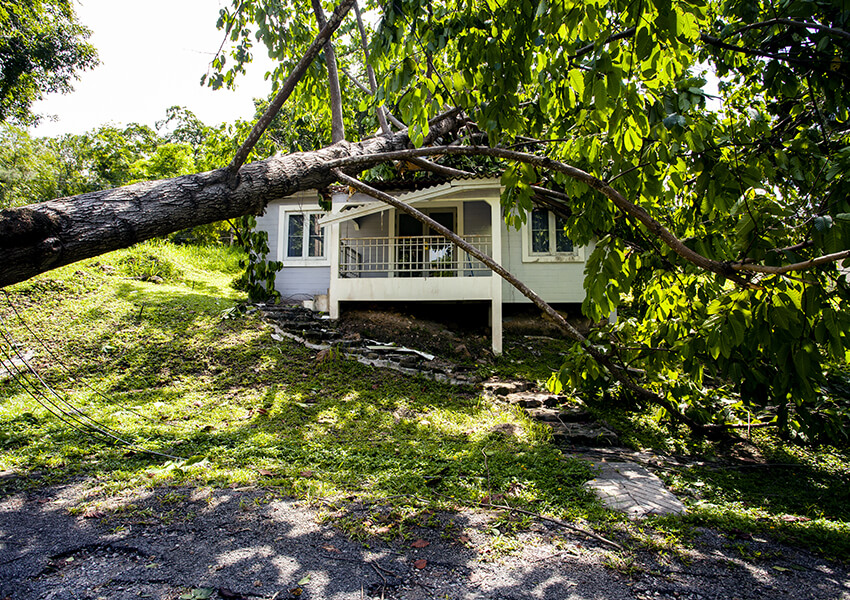
fallen tree on mobile home

Is Mobile Home Insurance Different Than House Insurance?

Though mobile home insurance and traditional home insurance serve the same basic purpose of protecting you should something go wrong in your home, there are some differences. Mobile homes are very structurally different than other types of dwellings and therefore require specific types of insurance to cover specific types of risks. Mobile homes are targeted more often in thefts and things like fires and wind pose greater risks to mobile homes than traditional dwellings. Because of the increased risks associated with owning a mobile home, insurance companies typically prefer to group mobile home insurance into its own category rather than considering it part of traditional home insurance.

Do You Have To Have Mobile Home Insurance?

Mobile home insurance is typically optional. Rarely will you be required by law to purchase mobile home insurance but they are required by the terms of some mortgages. Depending on how you are paying for your mobile home, you may need to insure it. Many mobile home communities also require their members to have their homes insured. Even if mobile home insurance is not a requirement for you, it is still very important to have. You never know when things will go wrong and you don’t want to be stuck paying for an expensive disaster out of pocket.

operator working on the phone and a laptop

How Expensive is Mobile Home Insurance?

The cost of your mobile home insurance will depend on many factors. Things such as the value of your home, the size of your home, the age of your home, the value of your personal belongings, the location of your home, the repair and renovation history of your home, and your security features can all be taken into account. In addition to considering your mobile home itself, the cost of your mobile home insurance will also depend on things like your coverage. Better coverage and lower deductibles are typically more expensive than less coverage with higher deductibles. In order to meet your budget, it is a good idea to shop around for a plan that will meet your insurance needs without forcing you to pay for extras you don’t feel you need. While it is impossible to know what you will need to pay without first considering your personal situation, the average mobile home owner will pay between $500 and $1100 a year to insure their home. In order to get a better idea of what you would be paying to insure your mobile home, inquire about a personalized quote.

Can Mobile Home Insurance Be Bundled?

Mobile home insurance can be bundled! Many insurance companies will offer discounts for bundling with your auto insurance or other types of insurance. You can also get discounts by upgrading your security features, such as by installing a security system or by getting stronger locks. Making sure your alarms such as your smoke detector and carbon monoxide detectors are up to date can also save you some money on your mobile home insurance.

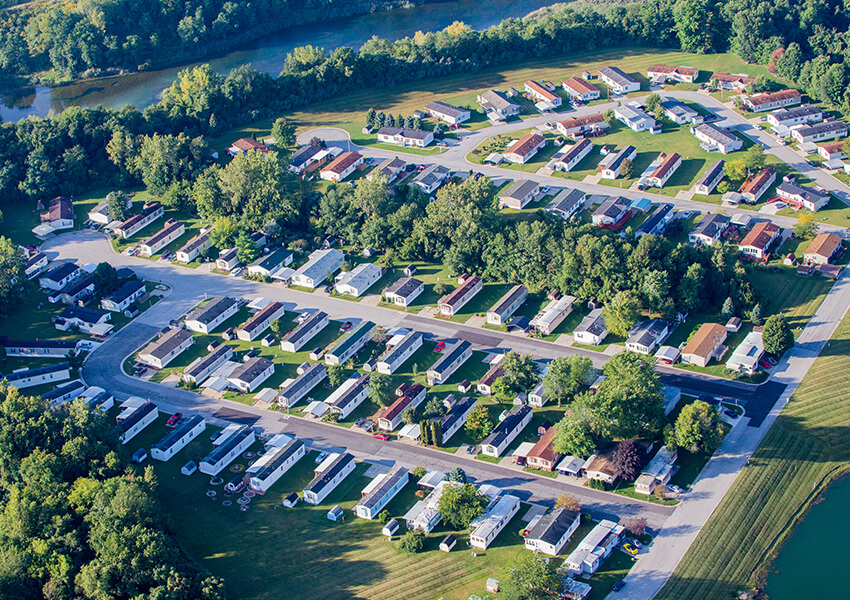
trailer park seen from above

How Much Insurance Do I Need?

As discussed above, how much insurance you need depends on a multitude of factors. Depending on your budget and the risks inherent to your area, you may want to consider more coverage. At a minimum, your mobile home insurance should offer dwelling coverage and personal liability coverage. You might also want to consider personal property coverage.

At Gila Insurance Group, we are passionate about getting our clients the best possible coverage. We know how important your insurance coverage is. Take the headache out of shopping for insurance. If you are in the market for mobile home insurance, or need help finding good rates on any type of coverage, request a quote today!

Learn More With Gila Insurance Group LLC

With the rise of the housing market in the last few years, you may have considered investing in the real estate market by flipping houses. If you’re thinking about doing this, it’s always important to have insurance to make sure that your investment is cared for and protected while it is under your ownership. Learn the answers to some of the frequently asked questions for flipping houses with the help of Gila Insurance Group LLC. Contact us today to get your own house flipping insurance!


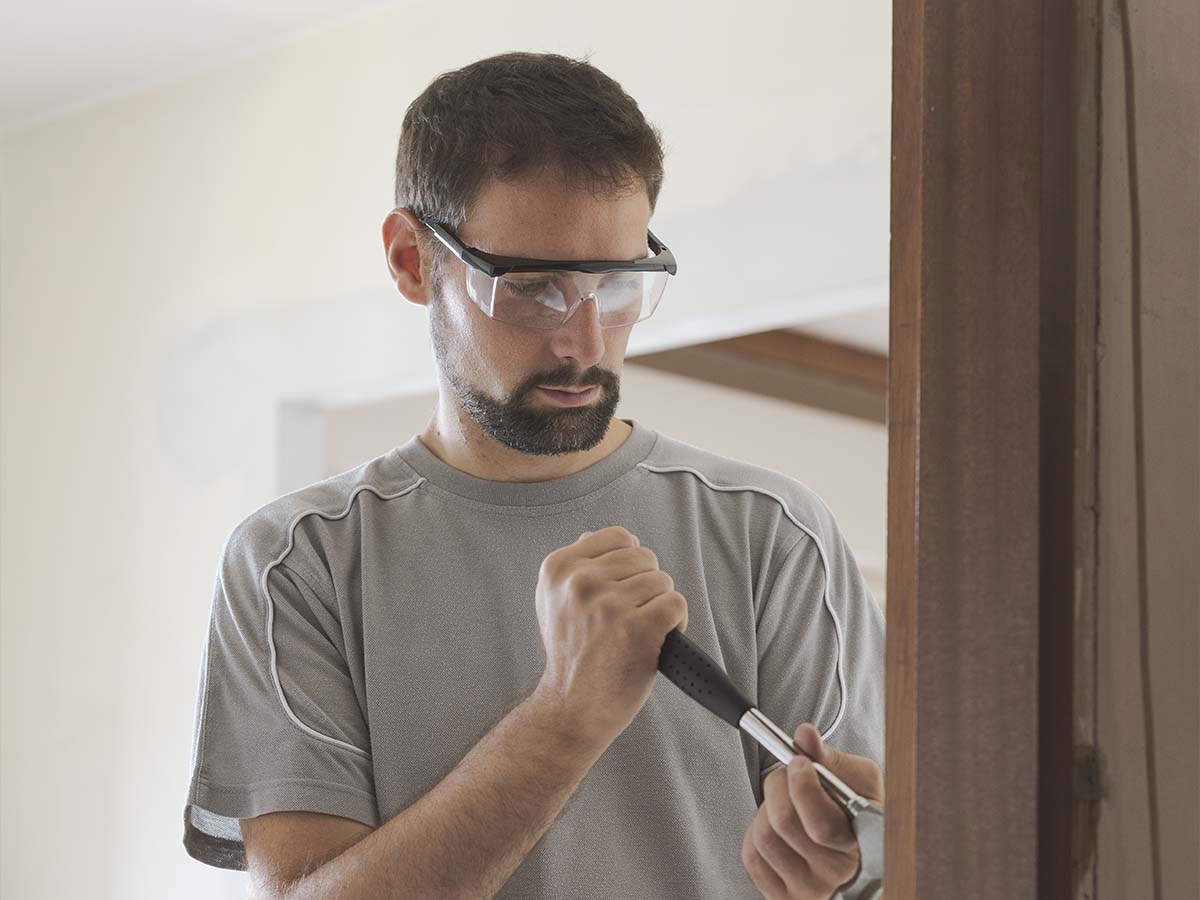
Man wearing goggles working on house renovation

Why Is House Flipping Insurance More Expensive?

If you’ve looked into flipping houses, you may have noticed that the insurance policies are generally more expensive than standard homeowners insurance. The reason that it’s more expensive is because there is greater risk in the flipping. The house is left vacant, so theft, accidents, injuries, and other hazards are more prevalent. Whenever there is greater risk, insurance policies cost more.

What Is The 70% Rule?

The 70% rule helps home flippers determine the maximum price they should pay for an investment property. Basically, they should spend no more than 70% of the home’s after-repair value minus the costs of renovating the property. This is to ensure that you will be able to not only cover your expenses, but also make a profit once you are finished with the flip.

Worker installing screened in porch at exterior of renovation home

Should I Buy Title Insurance On A Flip?

Yes! You should absolutely get title insurance for any property that you own. Title insurance is in place to protect lenders and buyers from financial loss due to deficits in a title to a property. Often this will help to protect against claims for back taxes, liens, and conflicting wills.

Do I Need Special Insurance If I’m Renovating But Not Living In The House?

This all depends on the project that you are working on. In some cases, you may need special insurance for your property, but in others, you may be fine without it. In cases like this, it’s important to talk to your insurance agent to make sure that you are covered.

Wallpaper being taken off of walls in a home

Get Started With Gila Insurance Group

The team at Gila Insurance Group LLC is here to ensure that you have all your insurance needs covered. Contact our team today to learn more about our house flip insurance and how we can help you.